Boost School menus with Blueberries
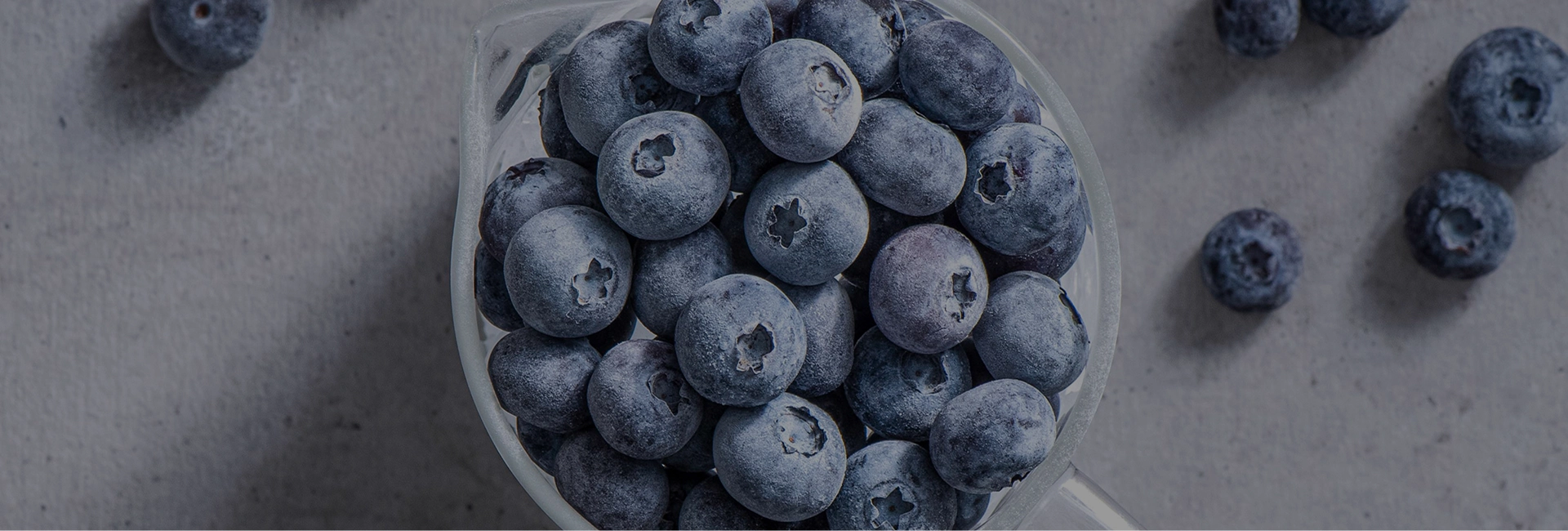
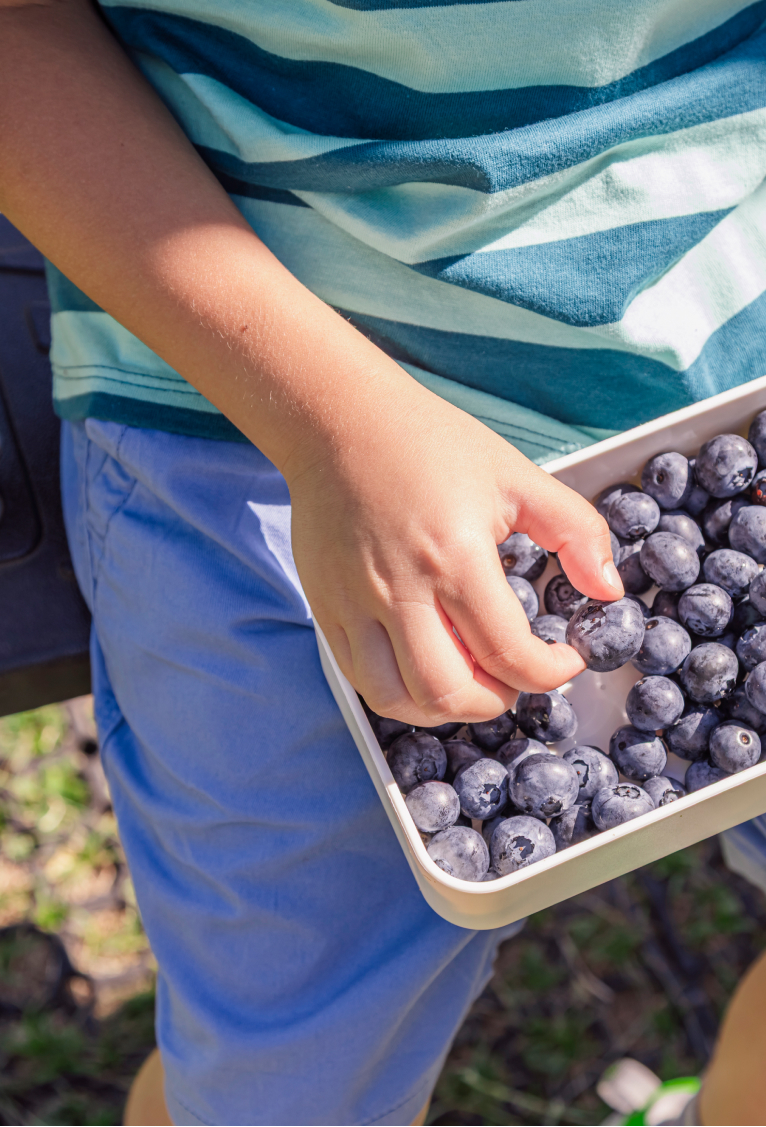
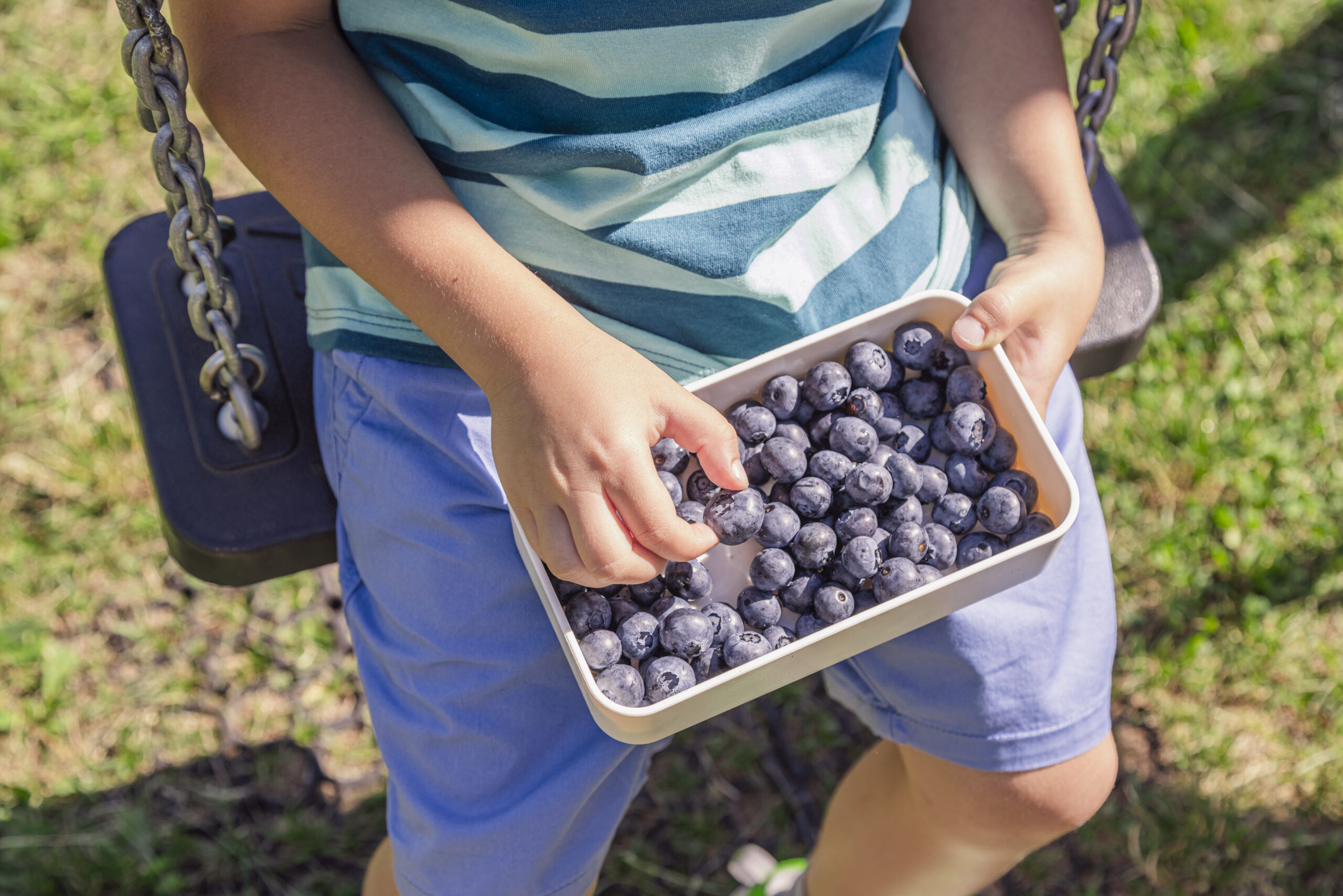
Blueberries are a versatile and practical addition to K-12 foodservice, offering seamless integration into school menus in both fresh and frozen forms. Whether tossed into a vibrant breakfast parfait or baked into whole-grain muffins, they provide a burst of color and nutrition that students love.
By choosing blueberries, schools can easily enhance their meal programs with a nutritious, well-loved fruit that supports student wellness while remaining manageable for kitchen staff.

Year-Round Access and Versatility
Use frozen berries for cost-effective smoothies and muffins, or fresh berries for grab-and-go cups and salad bars.

Kid-Approved
Blueberries’ vibrant color and naturally sweet flavor profile reduces the need for added sugars.

Minimal Prep
No peeling, pitting, or slicing required—just rinse (fresh) or pour (frozen).

Nutritious Choice
Both fresh and frozen blueberries boast an excellent nutritional profile, helping kids get a serving of fruit.
ADD POWERFUL NUTRITION
TO K-12 MENUS
Behind the small, mighty blueberry is serious nutritional power, helping students meet daily fruit intake goals. Whether fresh or frozen, blueberries are a smart, dependable choice for building healthier, more impactful school meals.
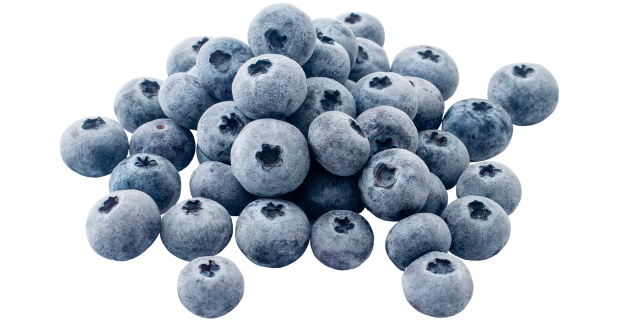
One cup of blueberries:
- Contains just 80 calories and is a good source of fiber
- Contributes essential nutrients including vitamin C, vitamin K, manganese and phytonutrients like anthocyanins—the compounds that give blueberries their blue color.

Cognitive support
Limited but emerging research findings regarding blueberry consumption and potential cognitive benefits for kids are encouraging.1 And we are always learning more. Check here for the latest in health research and nutrition.
YEAR-ROUND ACCESS
AND VERSATILITY
Blueberries are delicious and nutritious whether fresh or frozen. Use the format(s) that work best for your operational needs.
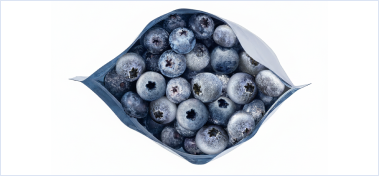
Individually Quick Frozen (IQF) Blueberries
Fresh ripe blueberries are harvested, pre-cooled, washed and individually quick frozen.
IQF blueberries are a fantastic substitute in most cases for fresh berries, especially in baking and cooking, providing excellent flavor while maintaining storage ease and a long shelf life in the freezer.
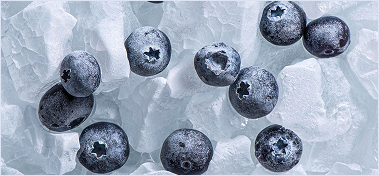
Case Frozen Blueberries
Fresh ripe blueberries are harvested, pre-cooled, washed and frozen in 30-pound cases.
These blueberries offer the same flavor and quality as IQF, but may work best for cooking into sauces and syrups, or blending into smoothies.
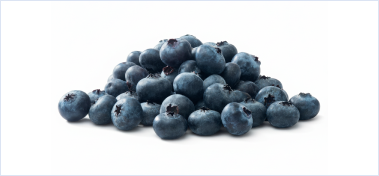
Fresh Blueberries
Fresh blueberries are harvested, pre-cooled, sorted and packaged for delivery.
Best when used as a fresh topping or ready-to-eat type of snack in foodservice, and require minimal preparation – just rinse and they are ready to use or serve. They do have a shorter shelf life and are more delicate to handle compared to frozen.


GET BLUEBERRIES
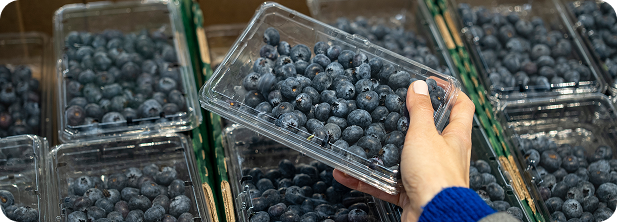
Search our convenient database and filter for suppliers based on location and the blueberry products you need.
Did you know that you can order blueberries as part of the U.S. Department of Agriculture’s (USDA) Child Nutrition Programs?
- USDA item #110623
(in 12/2.5 pound bags) - USDA item #110624
(in a 30 pound case of IQF blueberries)
Both blueberry products provide 11.9 – 1/4 cup F/V servings per pound.3
RECIPES FOR K-12 FOODSERVICE
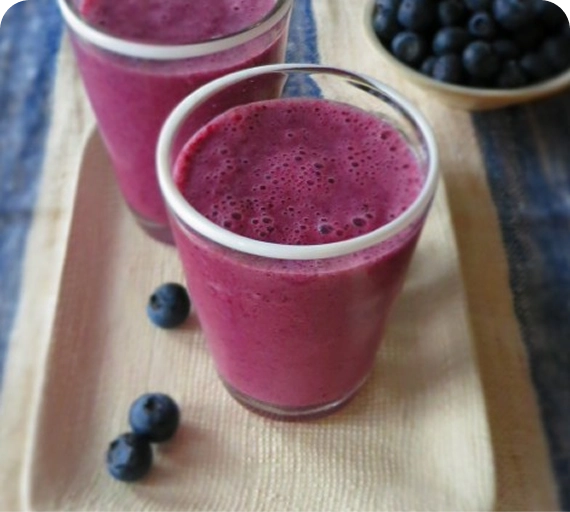
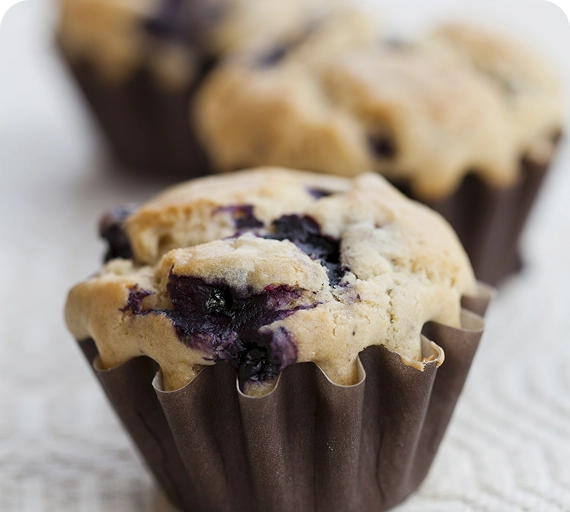
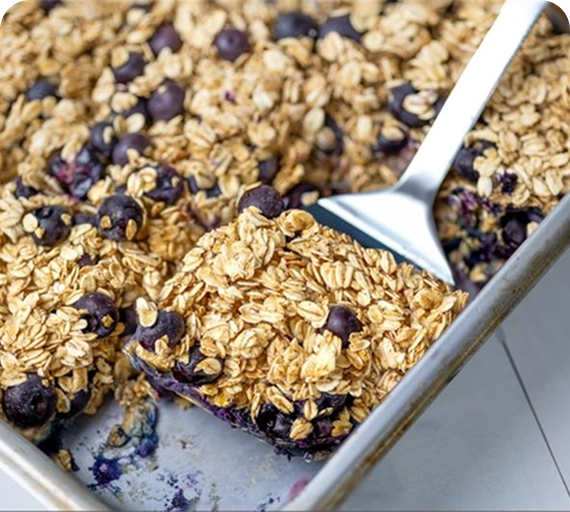
Try these kid-friendly K-12 recipes that pack flavor and nutrition. Blueberries’ vibrant color and naturally sweet flavor profile reduces the need for added sugars.
ADDITIONAL K-12 RESOURCES
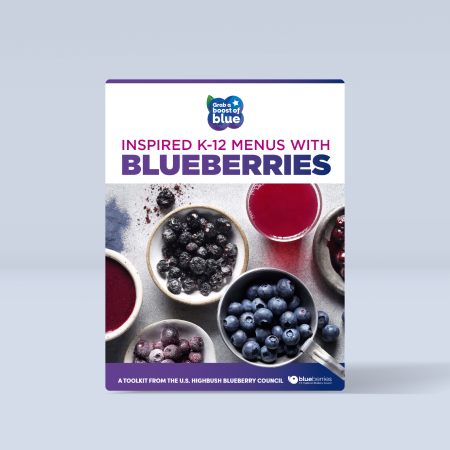
Inspired K-12 Menus with Blueberries
Unleash your culinary creativity with the endless recipe possibilities using blueberries. Download our K-12 recipes toolkit for inspiration to spruce up your school menus.
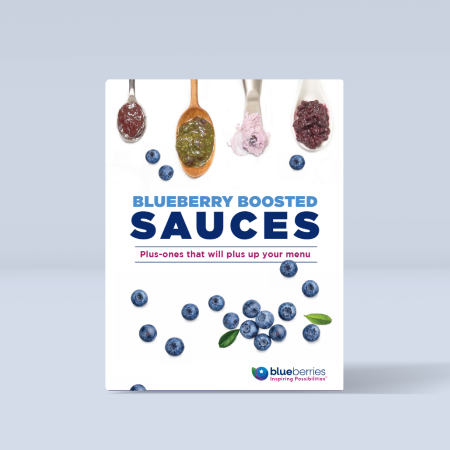
Blueberry Boosted Sauces
From blueberry ponzu to blueberry pico de gallo, it’s easy and delicious to put more blueberries on menus. Download our recipes for blueberry boosted sauces now.
BLUEBERRIES 101
The Story of Blueberries
SOURCES
1. Bell L and Williams CM. Blueberry benefits to cognitive function across the lifespan. Int J Food Sci Nutr. 2021 72:650 (Children 7-10).
2. U.S. Department of Agriculture, Agricultural Research Service. FoodData Central. Blueberries, frozen, unsweetened.
3. https://foodbuyingguide.fns.usda.gov/MasFoodItems/Index